
ATLANTA HOMEOWNERS' GUIDE TO STAIR BALUSTERS

Updated: 9 hours ago
Vertical balusters are a key element in many railing systems. They provide both safety and style to various structures. These components are often seen in staircases, balconies, and porches. They serve as a crucial support system.
Vertical balusters come in a variety of materials. Wood, metal, glass, and cable are popular choices. Each material offers unique benefits and aesthetic appeal. The choice depends on the design and function desired.
Modern balusters often feature sleek, minimalist designs. They complement contemporary architecture beautifully. Decorative balusters add a unique touch to any space. They can enhance both traditional and modern homes.
The installation of vertical balusters requires careful planning. This ensures safety and compliance with building codes. Understanding the options available can help in making informed decisions. Vertical balusters can transform any space.
What Are Vertical Balusters? An Overview
Vertical balusters are long, slender components that support railings. They run vertically between handrails and bases. This design helps in maintaining safety by preventing falls and accidents.

They play a significant role in both functionality and aesthetics. The vertical arrangement contributes to a sense of openness, providing unobstructed views. Various architectural styles can benefit from their presence.
The use of vertical balusters is versatile. Here’s where you might find them:
Staircases
Balconies
Decks
Porches
Each setting benefits from their stabilizing support. Different materials offer distinct looks and strengths, from classic iron to sleek glass. Exploring these options can help in selecting the right fit for specific architectural needs.
Overall, vertical balusters contribute significantly to enhancing both the safety and the visual appeal of a building. Their varied designs cater to diverse style preferences, making them a popular choice in many architectural projects.
Key Benefits of Vertical Stair Balusters
Vertical balusters provide several key advantages. One primary benefit is their ability to enhance safety by preventing falls. They act as reliable barriers, especially on staircases and balconies.

In addition to safety, vertical balusters offer aesthetic appeal. Their linear structure adds to a space's elegance. Different materials and styles can complement various architectural designs. Vertical balusters are also versatile. Whether you aim for modernity or tradition, they can fit seamlessly into any setting. They are adjustable to different heights and spacing, allowing customization.
Key benefits include:
Enhanced safety and security
Versatility in design
Contribution to aesthetic values
Customizable spacing and height
Overall, vertical balusters combine style with function, proving useful in multiple environments. Their presence not only meets safety standards but also enhances visual charm. Whether for a home or a commercial space, they are an excellent railing option.
Common Materials for Vertical Balusters
Vertical balusters come in diverse materials, each offering unique benefits. Choosing the right material affects both style and functionality. Here, we explore popular options.

Wood is a classic choice for its warmth and versatility. It can be carved into intricate designs for decorative purposes. However, wood requires maintenance to prevent weather damage.
Metal balusters, such as iron and steel, are favored for their durability and sleek look. They are often used in modern settings. Metal options are less prone to damage and offer long-lasting support.
Glass balusters provide a contemporary, open feel, allowing light to pass through. They are ideal for spaces requiring unobstructed views. Although stylish, glass demands regular cleaning to maintain clarity.
Key materials include:
Wood: Warm, customizable, requires upkeep
Metal: Durable, modern, low-maintenance
Glass: Stylish, light-enhancing, requires cleaning
Each material offers unique qualities, allowing homeowners to tailor baluster choices to specific needs. Consider the setting, desired aesthetics, and maintenance needs when selecting a material.
Vertical Balusters in Different Settings
Vertical balusters are essential components in various architectural spaces. Their role in safety and aesthetics is significant and diverse. They adapt to many settings, enhancing both functional and visual appeal.
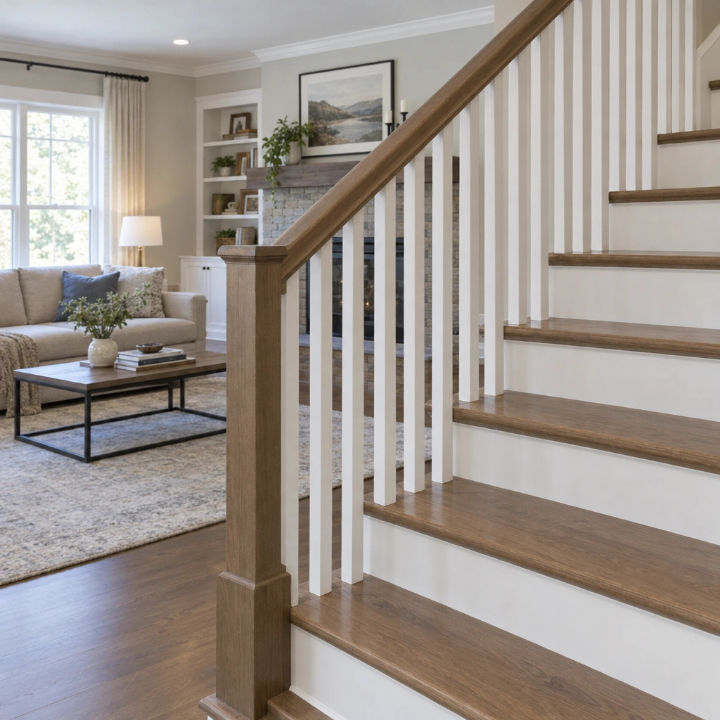
In staircases, vertical balusters support hand railings. They prevent falls and ensure safety. Well-designed stair balusters complement the interior style and add elegance. For balconies, vertical balusters form the protective guardrails. They allow enjoyment of views while providing necessary safety. Modern designs offer sleek lines that complement contemporary homes.
On porches, vertical balusters offer charm and historical significance. Traditional designs, such as those from the 1940s colonial style, add character to homes. They can create an inviting and warm entrance area.
Key settings for vertical balusters include:
Staircases: Support hand railings
Balconies: Guardrail safety
Porches: Style and character
Their versatility in different settings is unmatched. Vertical balusters can transform spaces into functional, stylish, and safe areas. Their presence blends seamlessly into the overall architectural design.
Stair Balusters and Hand Railings
Vertical balusters on stairs are integral to safety and aesthetics. They provide critical vertical support for hand railings, preventing accidents. Their design and material significantly impact the stairway's look.
These balusters come in various styles, from ornate to minimalistic. Choosing the right design enhances the staircase's appearance. Modern balusters often feature sleek lines, while decorative styles add intricate beauty.
Considerations for stair balusters include:
Safety: Ensure sufficient vertical support
Style: Match home aesthetics
Material: Choose for durability

Their installation requires precision for safety compliance. Well-installed stair balusters create a harmonious and secure stairway. They are a focal point in the home, drawing attention and admiration.
Balcony and Porch Applications
Balconies and porches greatly benefit from vertical balusters. On balconies, they form safety guardrails without obstructing views. The right baluster design adds style and enhances outdoor enjoyment.
On porches, vertical balusters contribute to the overall charm. Styles range from rustic to contemporary, aligning with home architecture. Porches with decorative balusters often convey warmth and invitation.
When selecting for these areas, consider:
Functionality: Ensure structural integrity
Visibility: Choose clear, unobstructed views
Design: Complement exterior style
Installation should meet local building codes for safety. Properly selected and installed balusters transform balconies and porches into appealing and secure spaces. They provide both practical and aesthetic benefits.
Modern and Decorative Baluster Designs
Modern balusters feature sleek lines and minimalist aesthetics. They fit well with contemporary architectural styles, offering a fresh look. Often crafted from metal or cable, they provide durability alongside visual appeal.
Decorative balusters, on the other hand, focus on intricate designs. They add artistry to any space and complement more traditional settings. Materials like wrought iron or ornamented wood add a sense of craftsmanship.
When choosing modern or decorative designs, consider your home's overall style. Balusters can be a key element in expressing individual taste. A well-selected design can harmonize a space and add aesthetic value.
Common design considerations include:
Material: Choose for style and durability
Complexity: Decide between minimalist or intricate designs
Budget: Consider cost variations with different styles

Modern and decorative balusters cater to different tastes and styles. Whether emphasizing simplicity or detail, they enhance both interior and exterior spaces. A thoughtful choice enriches the home environment, merging function with design.
Vertical Cable Balusters and Other Contemporary Options
Vertical cable balusters offer a sleek, minimalist design ideal for modern settings. They provide safety without obstructing views. Cable designs are perfect for decks and balconies, where open scenery is a priority.
These contemporary options appeal for their low maintenance and robust structure. Materials typically include stainless steel, which resists corrosion. The thin cables give a light, airy feeling, ideal for open concepts.
When considering contemporary balusters, you should evaluate:
Transparency: Maintain clear views
Material durability: Choose for long-lasting performance
Installation complexity: Assess the ease of set-up
Other contemporary options include glass panels and slender metal rods. These alternatives maintain the modern theme by emphasizing light and space. They suit a variety of settings, offering style with substance.
Iron Balusters Vertical: Classic and Durable
Iron balusters vertical are favored for their strength and timeless appeal. They're an excellent choice for both traditional and modern settings. These balusters bring an element of elegance and resilience to any home design.
Durability is a major advantage of iron balusters. They withstand heavy use and adverse weather conditions. This makes them perfect for both interior and exterior applications.
When selecting iron balusters, consider the following:
Design style: Match your decor
Finish options: Choose from various coatings
Maintenance requirements: Consider ease of care

Iron balusters can be finished in various styles, such as matte, glossy, or antique. They complement nearly any architectural theme, from colonial to contemporary. Their sturdy construction ensures long-term performance and appeal.
1940s Colonial Porch Railing Vertical Balusters: A Historical Perspective
The 1940s colonial porch railing vertical balusters are renowned for their historical charm. They evoke a sense of nostalgia and grace with their distinctive style. These balusters are often associated with the classic architecture of early America.
Unique features of 1940s colonial balusters include simple lines and understated elegance. They fit well in both historical restorations and modern adaptations. Their presence adds authenticity and character to porches and entryways.
When considering 1940s colonial balusters, keep in mind:
Authenticity: Reflects historical accuracy
Material choice: Often wood or iron
Design intricacy: Typically minimal and clean
These historical balusters can transform modern homes into timeless classics. Their simple yet elegant design provides a connection to the past, enhancing architectural heritage.
Horizontal vs Vertical Balusters: Which to Choose?
Choosing between horizontal and vertical balusters is pivotal in design and functionality. Each has its own set of advantages and visual impact. Understanding these can guide you in making the best choice for your space.
Vertical balusters tend to be more traditional, often providing a safer option by preventing children from climbing. They align well with most architectural styles and add a classic look to stairways and balconies.
Horizontal balusters, on the other hand, offer a modern aesthetic. They can create a sense of openness and are popular in contemporary designs. However, they may not be suitable where safety for young children is a concern.
When deciding which balusters to choose, consider:
Safety Needs: Child-friendly options
Aesthetic Preferences: Traditional vs. contemporary looks
Architectural Style: Compatibility with design
Ultimately, your decision will reflect your style and practical needs.

Baluster Installation: Steps and Considerations
Installing stair balusters might seem challenging, but it can be straightforward with careful planning. Start by choosing the right material and design to complement your space. The tools and techniques will vary based on these choices.
When you are ready to start, accurate measurements are crucial. Measure the space between each baluster and mark positions precisely. This ensures a uniform and safe installation.
The installation process generally involves:
Securing Vertical Posts: These will support the balusters.
Aligning Balusters Evenly: Use a spacer or jig for consistency.
Drilling and Fastening: Secure them in place with appropriate screws or hardware.

Always check local building codes before beginning. Compliance ensures safety and avoids legal issues. DIY enthusiasts can undertake simple installations, but consider hiring professionals for complex designs.
Regular maintenance extends the life of your balusters. Inspect periodically for stability and tighten any loose screws to maintain safety.
Safety, Building Codes, and Maintenance
When planning baluster installation, understanding building codes is vital. These codes govern spacing, height, and materials to ensure safety. Proper adherence avoids potential hazards and legal repercussions.
Regular maintenance is also key to the longevity and safety of balusters. Inspect them for wear and tear, loose fasteners, or any signs of damage. A consistent routine can prevent costly repairs and enhance durability.
Some essential maintenance tasks include:
Cleaning and Polishing: Keeps materials like iron or wood looking fresh.
Tightening Fasteners: Ensures stability of the structure.
Inspecting for Damage: Identifies issues early, preventing further deterioration.

By integrating these practices, your vertical balusters will remain both an aesthetic and functional asset to your home.
Choosing the Right Vertical Balusters for Your Project
Selecting vertical balusters involves more than just aesthetics. Consider the style, material, and specific project needs. These factors influence the overall appeal and functionality of your space. Different materials offer unique benefits. Iron balusters are strong and classic, while cable balusters give a modern feel. Be sure to assess the environment and desired look before making a choice.
Here's a checklist to guide your decision:
Budget: Determine the financial scope of your project.
Style Preference: Match the balusters to existing decor.
Material Durability: Consider the longevity and maintenance required.
Safety Needs: Ensure compliance with safety regulations.
By considering these factors, you can choose vertical balusters that look great, work well, and match your project vision.
Conclusion: Enhancing Spaces with Vertical Stair Balusters
Stair balusters are a versatile choice for enhancing both safety and style in any space. Their adaptability to various designs makes them a timeless addition to homes and buildings. By selecting the right materials and designs, balusters can seamlessly integrate into your architectural plans. Whether aiming for modern flair or classic elegance, these balusters offer a perfect solution to elevate the aesthetic and practical functionality of your spaces. After choosing the baluster material and style, it is just as important to hire the right stair experts. This helps ensure long-lasting satisfaction.


Comments